The Culture Behind the Object.

World of XIWEI

The Culture Behind the Object.

XIWEI reads Eastern culture through material, ritual, memory, gifting, sourcing, and the private direction each object is meant to hold.

Opening essay

Objects Are Never Only Objects.

For international clients, XIWEI translates Chinese material culture into objects that can be understood, gifted, placed, and lived with today.

In Eastern culture, an object may begin as material, but it rarely ends there. Jade carries restraint and virtue. Porcelain records fire, glaze, and hand. Tea and incense turn time into ritual. Paper and ink hold names, private signs, and private memory. A vessel, a hairpin, a pendant, or a gift box becomes meaningful when it enters a room, a relationship, or a moment that deserves care.

Read More

XIWEI is built around this idea: a refined object should not only be seen. It should be chosen, understood, presented, and remembered.
Name philosophy

Why XIWEI Means Belonging

Rarity alone is not enough. A rare object becomes meaningful when it finds the right person, room, occasion, or memory. XIWEI is built around this quiet form of belonging: objects chosen not for display alone, but for the private meaning they come to hold.

Rare in origin. Singular in meaning. Belonging by intention.

Culture into objects

How Eastern Culture Becomes Private Objects

At XIWEI, culture is not presented as decoration. It becomes something worn, gifted, placed, collected, or remembered. A material may become an adornment. A ritual may become a tea object. A memory may become a paper work. A relationship may become a private gift.

Five cultural pillars

Material, ritual, symbol, living, presentation.

01

Material

Material is the first language of an object.

Material is the first language of an object. Jade, porcelain, lacquer, paper, wood, metal, and silk each carry a different temperature, weight, sound, and memory. Choosing material is therefore not only a technical decision. It is a decision about feeling, occasion, and how the object will be held, worn, gifted, or placed.

02

Ritual

Tea, incense, gifting, and collecting transform objects into moments.

Tea, incense, gifting, and collecting transform objects into moments. A cup becomes more than a cup when it is used to receive a guest. Incense becomes more than scent when it marks the beginning of quiet time. A gift becomes more than a gift when its material, box, card, and meaning arrive together.

03

Symbol

Symbols allow private meaning to take form.

Symbols allow private meaning to take form. A zodiac sign, a constellation, a name, a family memory, or a personal phrase can become a direction for carving, shape, color, paper, or presentation. XIWEI treats symbols not as decoration, but as a quiet way to give memory a visible form.

04

Living

An object is completed by the place it enters.

An object is completed by the place it enters. A vase changes a room. A tray changes a table. A tea vessel changes a conversation. A pendant changes how a person carries memory close to the body. XIWEI considers not only what an object is, but where it will live.

05

Presentation

Presentation is not an afterthought.

Presentation is not an afterthought. For private gifting and bespoke commissions, the box, lining, care note, symbolic card, and delivery rhythm can shape how the object is received. A restrained presentation protects the object, but also protects the feeling behind it.

Material stories

Material Stories

Each material gives a different reason to own, commission, gift, or place an object within a private life.

Jade

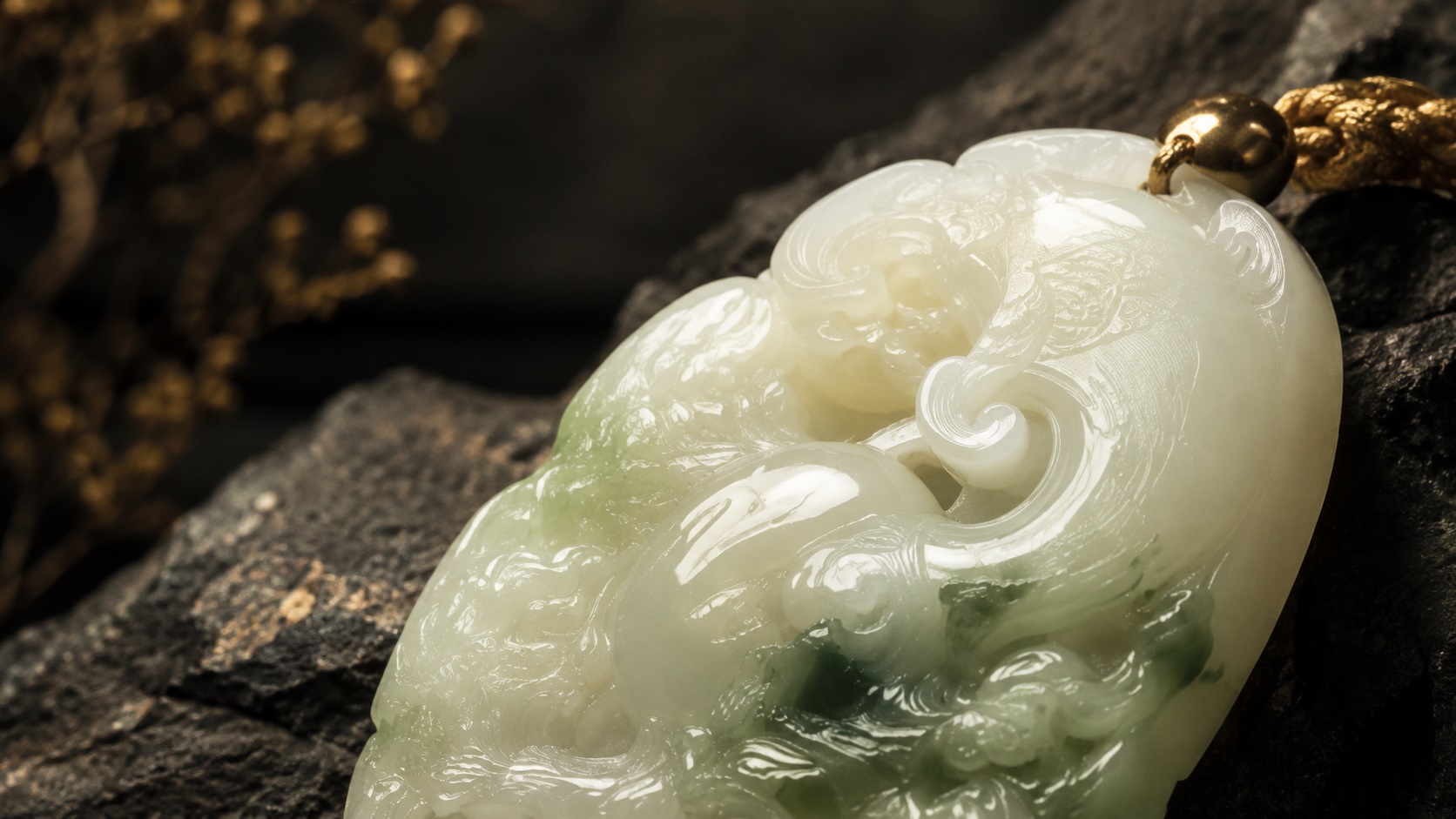
Jade is valued not only for color, but for restraint, touch, and the way it holds light. In Chinese culture, jade has long been connected with virtue, dignity, and the refinement of the person who carries it.

Porcelain

Porcelain carries the memory of earth, fire, glaze, and hand. A vessel is not only a container, but a controlled balance of line, weight, surface, and quiet presence.

Tea

Tea objects shape hospitality. A gaiwan, cup, or tray changes how time is shared, how conversation slows, and how a guest is received.

Incense

Incense objects shape atmosphere. They do not need to speak loudly. A small vessel, a trace of smoke, and a quiet surface can change the emotional temperature of a room.

Paper & Ink

Paper and ink hold names, phrases, private signs, and private signs. They allow language to become visual rhythm, and memory to become something that can be placed, framed, gifted, or carried.

Lacquer, Wood & Silk

Lacquer, wood, and silk shape the way an object is touched and presented. They often appear quietly, but they define the surface, protection, and ceremony around the piece.

Ritual and gifting

Ritual & Gifting

A XIWEI object is often chosen for a relationship or a room. Tea, incense, a desk object, a hairpin, or a presentation box can mark hospitality, gratitude, remembrance, or a private milestone without needing to speak loudly.

Jade legacy

Jade Legacy, One Chapter

Jade has occupied a special place in Chinese material culture for thousands of years. It has appeared in ritual objects, personal ornaments, scholar collections, family gifts, and symbols of dignity. Yet at XIWEI, jade is not treated as the only material. It is one important language among many Eastern materials, valued for its restraint, touch, and cultural memory.

Neolithic use

Early jade objects show how material, ritual, and identity were connected long before modern collecting.

Routes and exchange

Jade traveled through regional routes that helped shape taste, craft, and cultural confidence.

Ritual and status

In Shang and Zhou contexts, jade appeared with ceremony, rank, and social meaning.

Virtue symbolism

Confucian readings connected jade with restraint, dignity, and cultivated character.

Imperial associations

Courtly appreciation gave jade a language of refinement, gift, and collection.

Modern confidence

Today jade can sit beside porcelain, tea, incense, paper, and silk in a wider Eastern lifestyle.

From culture to commission

How Culture Enters a Private Direction

A client may begin with a memory, a zodiac sign, a room, a gift recipient, a material preference, or a reference image. XIWEI reads these starting points through material, symbol, proportion, presentation, and sourcing feasibility. The result is not a copied pattern, but a direction that belongs to the person and the occasion.

01

Material

Jade, porcelain, lacquer, paper, metal, silk, and other materials are read for texture, light, and cultural tone.

02

Ritual

Tea, incense, gifting, private collecting, and domestic display turn objects into lived gestures.

03

Symbol

Zodiac signs, family meanings, personal marks, and private totems can guide a bespoke direction.

04

Living

Study rooms, tea settings, cabinets, shelves, and wearable accessories shape the atmosphere of daily life.

05

Legacy

Hetian jade history, Eastern aesthetics, and family memory remain important chapters within the XIWEI world.

XIWEI 稀唯

Rare Eastern Objects. Singularly Chosen.

XIWEI creates rare Eastern objects that feel singular, personal, and meant to belong.

Private Inquiry

Privacy Note: Information shared during inquiry is used only for communication, object consultation, bespoke discussion, sourcing review, shipping guidance, and order-related support. We do not sell client information.

Images express XIWEI’s visual direction, representative objects, bespoke possibilities, and lifestyle settings.
Exact objects, materials, images, feasibility, and presentation are confirmed through private inquiry.

Private Inquiry